
Poodle Puppies For Sale
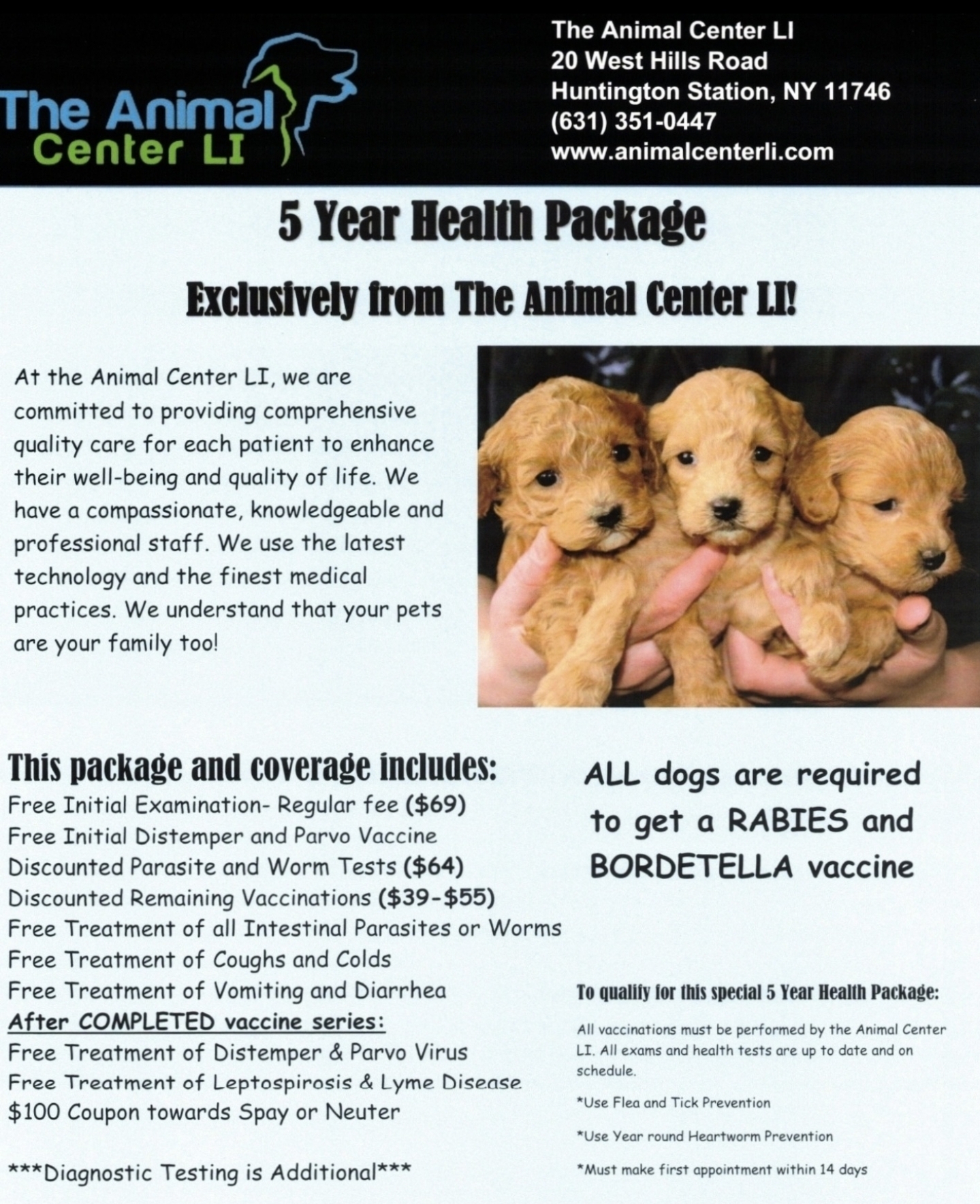
Vet-checked Poodle puppies from licensed breeders, free nationwide delivery and a 5-year local vet package. Call (800) 879-1995.
Read all about the Poodle ↓Poodle Puppies Available Now
Want a specific breed? Search up top.
Rate the puppies you want
- Maybe
- Like
- Must Have
See Real Best Puppies Families
About the Poodle
The Poodle is one of the most intelligent and versatile breeds in the world, originally developed as a water retriever and later refined into three sizes to suit different roles. Its curly, hypoallergenic coat and quick mind have made it a foundation breed for nearly every popular doodle cross, but the purebred Poodle stands on its own as a devoted, athletic, and highly trainable companion. This page covers the breed broadly; the Toy Poodle and Miniature Poodle each have their own page.
Temperament
Poodles are exceptionally bright, eager to please, and quick to learn, which makes them one of the easiest breeds to train. They are affectionate with their families and generally good with children and other pets when raised together. Standards tend to be calm and dignified, while Miniatures and Toys are more energetic and often more vocal. All sizes are sensitive dogs that thrive on attention and can be prone to separation anxiety if left alone for long stretches.
Size and Weight
The AKC recognizes three sizes by height. Toy: 10 inches or under at the shoulder, typically 4 to 6 lbs. Miniature: over 10 inches up to 15 inches, typically 10 to 15 lbs. Standard: over 15 inches, typically 40 to 70 lbs, with males at the larger end. Size is determined by the parents, and reputable breeders do not cross sizes.
Grooming
The Poodle coat is dense, curly, and continuously growing, and it is hypoallergenic in the sense that it sheds very little and traps dander close to the skin. It requires brushing several times weekly to prevent matting and professional grooming every four to six weeks. Many owners keep a short sporting clip for practicality. Ears need routine cleaning and hair plucking, as the ear canals grow hair that can trap moisture.
Health
Poodles can inherit Addison's disease, sebaceous adenitis, progressive retinal atrophy, and epilepsy across all sizes. Standards additionally carry risk of hip dysplasia and gastric dilatation-volvulus, or bloat, which is a veterinary emergency in deep-chested dogs. Toys and Miniatures are more prone to patellar luxation, Legg-Calve-Perthes disease, and dental crowding. Recommended parent testing includes OFA hip clearances for Standards, patella evaluation for smaller sizes, eye clearances, and DNA screening for PRA.
Exercise and Living Space
Exercise needs scale with size. Standards want 60 or more minutes of daily activity and excel at swimming, running, and dog sports. Miniatures need moderate daily walks and play, and Toys are content with short walks and indoor activity. All sizes are indoor companion dogs that need mental stimulation as much as physical exercise, and they adapt well to apartments provided their minds are kept busy.
Lifespan
Typical lifespan is 12 to 15 years for Standards and 14 to 18 years for Miniatures and Toys. Dental care, weight management, and awareness of bloat in Standards support a long, healthy life.
More About Poodle Puppies
Poodle Puppies for Sale. Standard, Miniature & Toy Sizes
Hypoallergenic Poodle Puppies from a Licensed Puppy Specialist
Best Puppies is a licensed puppy specialist with over 25 years of experience, and we are delighted to offer Poodle puppies from the most reputable breeders across the country. The Poodle is widely regarded as one of the most intelligent dog breeds in the world, consistently ranking at the very top for trainability, problem-solving, and obedience. Available in three sizes, Standard, Miniature, and Toy, the Poodle is one of the most versatile breeds you can find, excelling as a family companion, show dog, therapy dog, and even a skilled retriever in the field.
One of the Poodle’s most celebrated qualities is its hypoallergenic coat, which sheds very little and produces less dander than most breeds. This makes Poodles an excellent choice for families and individuals with allergies. Their curly, dense coat comes in a wide variety of solid colors, including white, black, apricot, red, silver, blue, cream, and chocolate. Beyond their beautiful appearance, Poodles are remarkably athletic dogs. Standard Poodles in particular are strong swimmers and agile runners, with a grace and elegance that turns heads wherever they go.
Poodles are known for their eager-to-please temperament and their deep bond with their families. They are gentle with children, friendly with other pets, and adapt well to virtually any living situation, from spacious homes with yards to city apartments. Their intelligence means they thrive on mental stimulation and love learning new tricks, making training a genuinely rewarding experience. Whether you are looking for a lively Toy Poodle, a spirited Miniature, or a regal Standard, the Poodle delivers unmatched companionship.
Every Poodle puppy from Best Puppies comes with our exclusive 5-Year FREE Local Vet Package, providing complete veterinary peace of mind from day one. We also include free door-to-door delivery anywhere in the United States, so your new Poodle puppy arrives safely and comfortably right to your home. As a trusted puppy specialist with a quarter century of experience, we are committed to matching you with the perfect Poodle. Call us today at (800) 879-1995 to learn about our currently available Poodle puppies.
Poodle puppies delivered to Long Island, NYC, New Jersey and Connecticut
Long Island
The Standard Poodle began as a German water retriever, and its love of swimming shows the moment it sees the surf at Robert Moses. Its curly coat is hypoallergenic and looks wonderful in a sporty clip, ready for another swim in the salt water. Locust Valley in Nassau and East Hampton in Suffolk are two of the many towns where Poodle families live. White Glove Delivery brings your new Poodle directly to your family's door anywhere on Long Island. Long before it arrives on Long Island, your Poodle has had a vet visit and a health check, both included.
New York City
A Poodle looks elegant on a city sidewalk and is smart enough to learn building routines like sitting at the elevator door. Standards love long loops of Central Park or Riverside Park, striding along with elegant energy. Astoria in Queens, Boerum Hill in Brooklyn and Hudson Yards in Manhattan are neighborhoods where Standard Poodle owners live. Through White Glove Delivery, your Poodle arrives straight at your family's door in New York City. A vet visit and health check are included for your Poodle before it heads home.
New Jersey
Poodles are loyal and gentle with children, and New Jersey families with allergies appreciate the clean, hypoallergenic coat. A playful Poodle loves inventing games, so daily walks and puzzle toys are always a hit. Saddle River in Bergen, Verona in Essex and Fair Haven in Monmouth are all towns where Poodle families live. White Glove Delivery means your Poodle puppy is brought straight to your door in New Jersey. Your Poodle's examination by a veterinarian and its health check are included and happen before the drive.
Connecticut
Connecticut lakes and hiking trails suit a Poodle, which is as athletic as it is refined. Its fresh winter clip shows off an athletic, snow loving frame. New Canaan and Westport in Fairfield County and Guilford and Branford in New Haven County are home to Poodle owners. Anywhere in Connecticut, White Glove Delivery brings your new Poodle directly to your door. The vet visit and health check for every Poodle are included and done before it goes to its new Connecticut home.
Pick your area below for more.
We deliver puppies nationwide. See our nationwide puppies for sale page.
- Poodle puppies on Long Island
- Poodle puppies in Nassau County
- Poodle puppies in Suffolk County
- Poodle puppies in New York City
- Poodle puppies in Queens
- Poodle puppies in Brooklyn
- Poodle puppies in Manhattan
- Poodle puppies in New Jersey
- Poodle puppies in Connecticut
- Poodle puppies in Pennsylvania
- Poodle puppies in Massachusetts
- Poodle puppies in New Hampshire
- Poodle puppies in North Carolina
- Poodle puppies in Ohio
- Poodle puppies in Indiana
- Poodle puppies in Missouri
- Poodle puppies in Nebraska
- Poodle puppies in Florida
- Poodle puppies in Arkansas