
Miniature Poodle Puppies For Sale
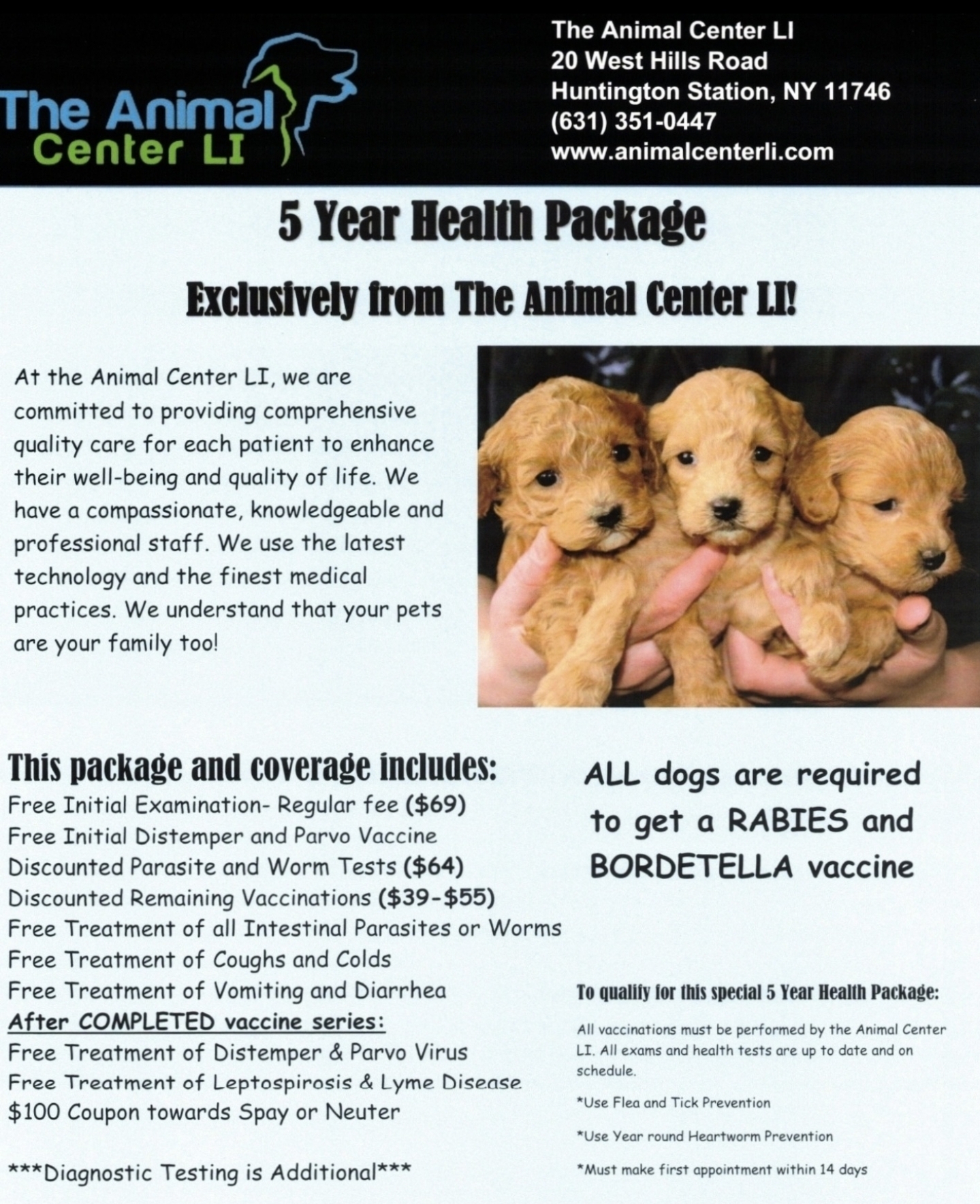
Vet-checked Miniature Poodle puppies from licensed breeders, free nationwide delivery and a 5-year local vet package. Call (800) 879-1995.
Read all about the Miniature Poodle ↓Miniature Poodle Puppies Available Now
Want a specific breed? Search up top.
Rate the puppies you love
- Maybe
- Like
- Must Have
See Real Miniature Poodle Families
About the Miniature Poodle
The Miniature Poodle sits between the Toy and the Standard in size and is often considered the ideal balance for families: small enough for an apartment, sturdy enough for children, and carrying the full Poodle intelligence and hypoallergenic coat. It was originally bred down from the Standard for truffle hunting and companionship. It is one of the most popular sizes for families and for people with allergies.
Temperament
Miniature Poodles are intelligent, lively, and eager to please, and they rank among the most trainable of all breeds. They are affectionate and playful with their families and generally good with children and other pets when properly socialized. They can be reserved with strangers and are alert enough to make good watchdogs. Like all Poodles, they need mental stimulation and can become anxious or destructive if bored or left alone too long.
Size and Weight
The AKC standard sets the Miniature Poodle at over 10 inches and up to 15 inches at the shoulder, with typical adult weight of 10 to 15 lbs. Size is determined by the parents, and reputable breeders do not cross sizes.
Grooming
The coat is dense, curly, and hypoallergenic in the sense that it sheds very little. It needs brushing several times weekly to prevent matting and professional grooming every four to six weeks. Most family dogs are kept in a short sporting clip. Ears need routine cleaning and hair plucking, and teeth should be brushed regularly.
Health
Miniature Poodles can inherit progressive retinal atrophy, patellar luxation, Legg-Calve-Perthes disease, epilepsy, Addison's disease, and sebaceous adenitis. Dental crowding and periodontal disease occur in smaller individuals. Recommended parent testing includes eye clearances, patella evaluation, DNA screening for PRA, and hip clearances. Poodles are generally a healthy breed when responsibly bred.
Exercise and Living Space
Miniature Poodles have moderate energy and need daily walks and active play, roughly 30 to 60 minutes. They excel at agility and obedience and enjoy having a job. They adapt well to apartments provided they get exercise and mental engagement, and they should live indoors with the family.
Lifespan
Typical lifespan is 14 to 18 years. Dental care, weight management, and eye monitoring support a long, healthy life.
More About Miniature Poodle Puppies
Why Families Love Miniature Poodles
The Miniature Poodle sits perfectly between the Toy and Standard varieties, offering the best of both worlds, a dog that is substantial enough to be a true companion yet compact enough for almost any living situation. Miniature Poodles typically stand 10 to 15 inches tall and weigh between 10 and 15 pounds, making them wonderfully versatile family dogs. Widely regarded as one of the most intelligent breeds in the world, Miniature Poodles excel at obedience training, agility, and even advanced trick work. Their hypoallergenic, low-shedding curly coat makes them an outstanding choice for families with allergy concerns. They are athletic, playful, and surprisingly energetic, bringing a joyful spark to every household they join.
Intelligence Meets Elegance
Behind the Miniature Poodle's elegant appearance lies one of the most athletic and versatile companion breeds ever developed. Originally bred as water retrievers, Poodles are natural swimmers, enthusiastic hikers, and agile athletes who love staying active alongside their families. Their hypoallergenic coat comes in a dazzling array of colors, white, black, apricot, red, silver, blue, and café au lait among them, and requires regular grooming to maintain its beautiful texture. Mini Poodles are deeply devoted to their families, gentle with children, and remarkably intuitive about human emotions, which is why they are frequently chosen as therapy and emotional support animals.
Your Miniature Poodle Comes With Everything
At Best Puppies, we have been a trusted, licensed puppy specialist for over 25 years, and Miniature Poodles have been among our most beloved breeds throughout that time. Every Miniature Poodle puppy comes with our exclusive 5-Year FREE Local Vet Package, giving you peace of mind that your new companion will receive top-quality veterinary care from day one. We also include free door-to-door delivery anywhere in the United States, so no matter where you live, your Miniature Poodle arrives safely and stress-free at your doorstep. Call our dedicated team at (800) 879-1995 to find the perfect Miniature Poodle for your family.
- Miniature Poodle puppies on Long Island
- Miniature Poodle puppies in Nassau County
- Miniature Poodle puppies in Suffolk County
- Miniature Poodle puppies in New York City
- Miniature Poodle puppies in Queens
- Miniature Poodle puppies in Brooklyn
- Miniature Poodle puppies in Manhattan
- Miniature Poodle puppies in New Jersey
- Miniature Poodle puppies in Connecticut
- Miniature Poodle puppies in Pennsylvania
- Miniature Poodle puppies in Massachusetts
- Miniature Poodle puppies in New Hampshire
- Miniature Poodle puppies in North Carolina
- Miniature Poodle puppies in Ohio
- Miniature Poodle puppies in Indiana
- Miniature Poodle puppies in Missouri
- Miniature Poodle puppies in Nebraska
- Miniature Poodle puppies in Florida
- Miniature Poodle puppies in Arkansas