
Goldendoodle Puppies For Sale
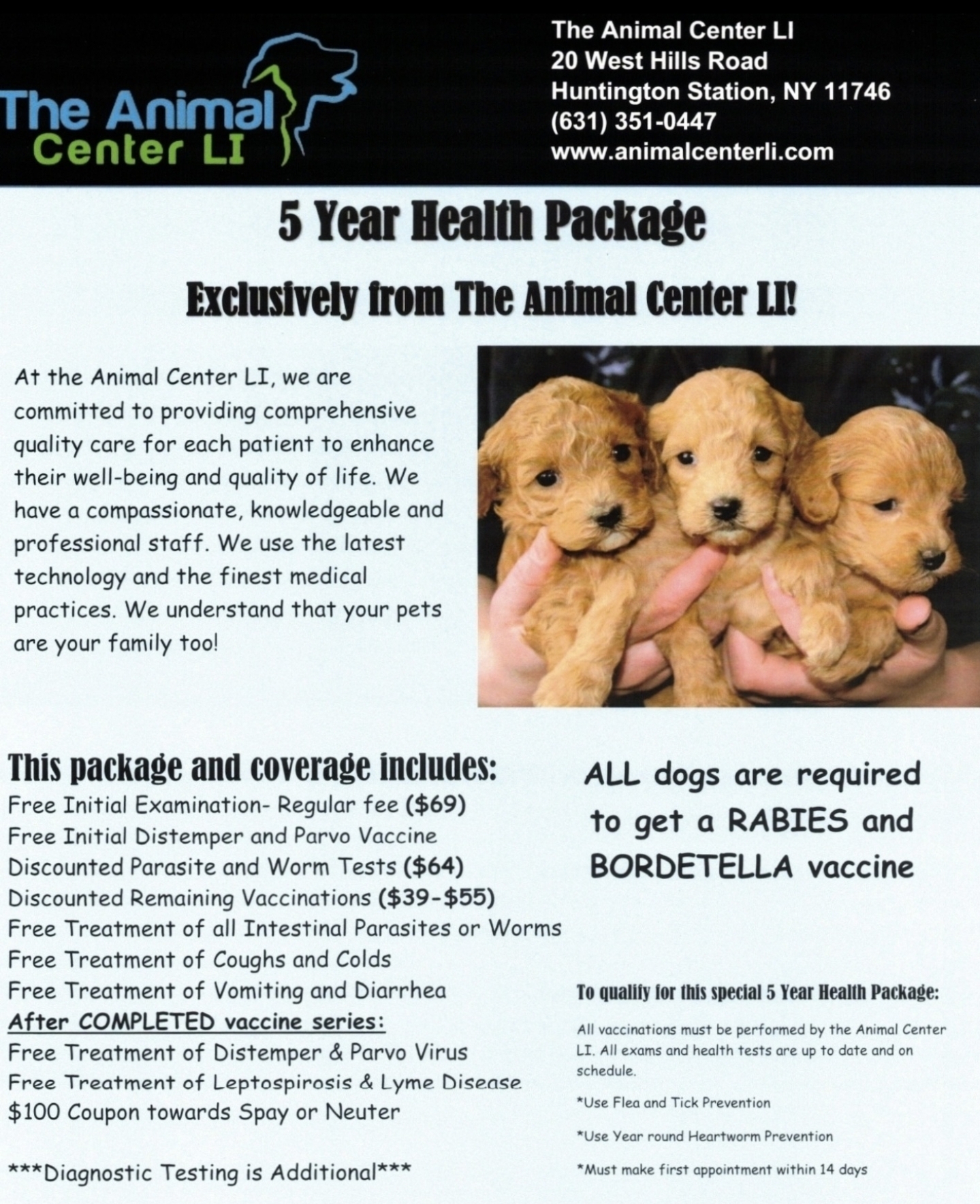
Vet-checked Goldendoodle puppies from licensed breeders, free nationwide delivery and a 5-year local vet package. Call (800) 879-1995.
Read all about the Goldendoodle ↓Goldendoodle Puppies Available Now
Want a specific breed? Search up top.
Rate the puppies you want
- Maybe
- Like
- Must Have
See Real Goldendoodle Families
About the Goldendoodle
The Goldendoodle crosses the Golden Retriever with the Poodle, and it has become the most recognizable member of the doodle family for good reason. In more than 25 years as a puppy specialist, we have found the Goldendoodle to be a genuine all-rounder: bright, people-oriented, and adaptable to families, singles, and seniors alike. The cross first gained traction in the 1990s as breeders sought the Golden's warmth and the Poodle's hypoallergenic coat in one dog. The Goldendoodle Association of North America serves as the breed's governing body and maintains its size standards.
Temperament
Goldendoodles are friendly, intelligent, and eager to please, a combination that makes them highly trainable and well suited to first-time owners. They inherit the Golden Retriever's sociability and the Poodle's sharp mind, so they thrive on interaction and mental work. Most are affectionate without being anxious, get along with children and other pets, and adapt readily to new situations. Their stability and trainability are why the cross appears so often in therapy and service work. They do not do well left alone for long stretches and can develop nuisance behaviors if under-stimulated.
Size and Weight
Height at the withers is the true determinant of size, since weight fluctuates. Four sizes are recognized:
Petite: under 14 inches, typically 25 lbs or less. Miniature: over 14 to under 17 inches, typically 26 to 35 lbs. Medium: over 17 to under 21 inches, typically 36 to 50 lbs. Standard: over 21 inches, typically 51 lbs or more, with many Standards running 50 to 90 lbs.
Size is driven mainly by the Poodle parent used in the cross. Terms like teacup and teddy bear are marketing descriptions rather than recognized size categories.
Grooming
Goldendoodles are moderate to high maintenance. Coats run straight, wavy, or curly, with wavy the most common and curly the highest maintenance. The hypoallergenic coat traps loose hair rather than releasing it, which is what keeps shedding down but also increases matting risk. Plan on brushing every one to two days for wavy coats and daily for curly coats, plus professional grooming every six to eight weeks, or every four to six weeks for curly coats. Mats form fastest behind the ears, under the legs, at the collar, and at the tail base.
Health
Goldendoodles can inherit conditions from both parent breeds. Hip dysplasia is a genuine concern from the Golden side. Progressive retinal atrophy is carried by both parent breeds. Ear infections are common due to floppy, furred ears, and skin and food allergies occur. Responsible breeders perform OFA or PennHIP hip evaluations, cardiac and eye screening, and genetic panels. Every puppy we handle comes from breeders in our Trusted Breeder Network who health-test their parent dogs.
Exercise and Living Space
Goldendoodles are moderately to highly active and need meaningful daily exercise, generally 45 to 60 minutes for Standards and less for Petite and Mini dogs. They enjoy walks, fetch, swimming, and puzzle work. Standards do best in homes with room and a yard, while Petite and Mini dogs adapt well to apartments if properly exercised. All sizes need companionship and mental engagement, not just physical activity.
Lifespan
Typical lifespan is 10 to 15 years, with smaller variants generally living longer than Standards. Maintaining a lean body weight, routine veterinary care, and good dental and ear hygiene all support a longer, healthier life.
More About Goldendoodle Puppies
Why Families Love Goldendoodles
The Goldendoodle has earned its place as one of the most sought-after family companions in America, and for good reason. A cross between the intelligent Poodle and the devoted Golden Retriever, Goldendoodles bring together the best traits of both parent breeds into one irresistible package. These dogs are known for their gentle, affectionate temperament and their remarkable ability to bond with every member of the household, from toddlers to grandparents. They are social, eager to please, and possess an almost intuitive sense of their owner's emotions, making them outstanding therapy and emotional support animals as well.
Goldendoodle Sizes & Coat Types
One of the most appealing aspects of the Goldendoodle is the variety of sizes and coat types available. Standard Goldendoodles typically weigh between 50 and 75 pounds, making them ideal for families with larger homes and yards. Mini Goldendoodles range from 25 to 50 pounds and fit comfortably into suburban living. Micro or Petite Goldendoodles, weighing under 25 pounds, are perfect for apartment dwellers or those seeking a smaller companion without sacrificing the Goldendoodle personality. Their coats range from wavy to curly, and many Goldendoodles are considered hypoallergenic, producing significantly less dander than most breeds. This makes them an excellent choice for families with allergy concerns who still dream of having a loving, furry companion at home.
Your Goldendoodle Comes With Everything
At Best Puppies, we have been a trusted, licensed puppy specialist for over 25 years, and Goldendoodles have remained one of our most popular breeds throughout that time. Every Goldendoodle puppy comes with our exclusive 5-Year FREE Local Vet Package, ensuring your new family member receives comprehensive veterinary care from the very start. We also include free door-to-door delivery anywhere in the United States, so whether you are in New York, California, Texas, or anywhere in between, your Goldendoodle arrives safely and stress-free at your doorstep. Our dedicated team is available by phone at (800) 879-1995 to answer any questions and help you find the perfect Goldendoodle for your family.
Goldendoodle puppies delivered to Long Island, NYC, New Jersey and Connecticut
Long Island
Goldendoodles fit Long Island's suburban pace, friendly enough for block parties and happy to curl up after a long day at the beach. Their hypoallergenic coat lets allergy sensitive kids hug them all day, one more reason the breed is so loved. Goldendoodle families live all over Nassau and Suffolk, in towns like Levittown and Smithtown. With White Glove Delivery, the Goldendoodle puppy comes straight to your doorstep on Long Island. Your Goldendoodle has an included vet visit and health check before it heads home.
New York City
A Goldendoodle thrives in the city with its love of daily walks, and its plush wavy coat feels right at home in a small apartment. Its happy, outgoing nature makes fast friends at dog runs and cafes in nearly every New York neighborhood. Queens townhouses, Brooklyn brownstones and Manhattan high rises are all home to Goldendoodles and their people. White Glove Delivery means the Goldendoodle puppy is brought directly to your door in New York City. Your Goldendoodle has an included vet visit and health check before it goes home in the city.
New Jersey
With room for a yard and plenty of family friendly parks, New Jersey suits a Goldendoodle's playful, people focused nature. The breed's mix of Golden Retriever and Poodle usually means a quick learner, which helps with early house training. Goldendoodle families are common in Bergen, Middlesex and Monmouth counties. White Glove Delivery means your Goldendoodle is brought straight to your front door in New Jersey. Every Goldendoodle sees a vet for a health check before it goes home, and that visit is included in the price.
Connecticut
A Goldendoodle's wavy coat keeps it comfortable on cold Connecticut walks, and fresh snow turns this cross into a bouncing, joyful clown. These dogs enjoy hiking trails and fall leaf piles about as much as their families do. Families from Greenwich in Fairfield County to Guilford in New Haven County have made the Goldendoodle a local favorite. Your Goldendoodle is brought directly to your door in Connecticut with White Glove Delivery. The included veterinary exam and health check for your Goldendoodle are complete before it leaves for Connecticut.
Pick your area below for more.
- Goldendoodle puppies on Long Island
- Goldendoodle puppies in Nassau County
- Goldendoodle puppies in Suffolk County
- Goldendoodle puppies in New York City
- Goldendoodle puppies in Queens
- Goldendoodle puppies in Brooklyn
- Goldendoodle puppies in Manhattan
- Goldendoodle puppies in New Jersey
- Goldendoodle puppies in Connecticut
- Goldendoodle puppies in Pennsylvania
- Goldendoodle puppies in Massachusetts
- Goldendoodle puppies in New Hampshire
- Goldendoodle puppies in North Carolina
- Goldendoodle puppies in Ohio
- Goldendoodle puppies in Indiana
- Goldendoodle puppies in Missouri
- Goldendoodle puppies in Nebraska
- Goldendoodle puppies in Florida
- Goldendoodle puppies in Arkansas