
Bernedoodle Puppies For Sale
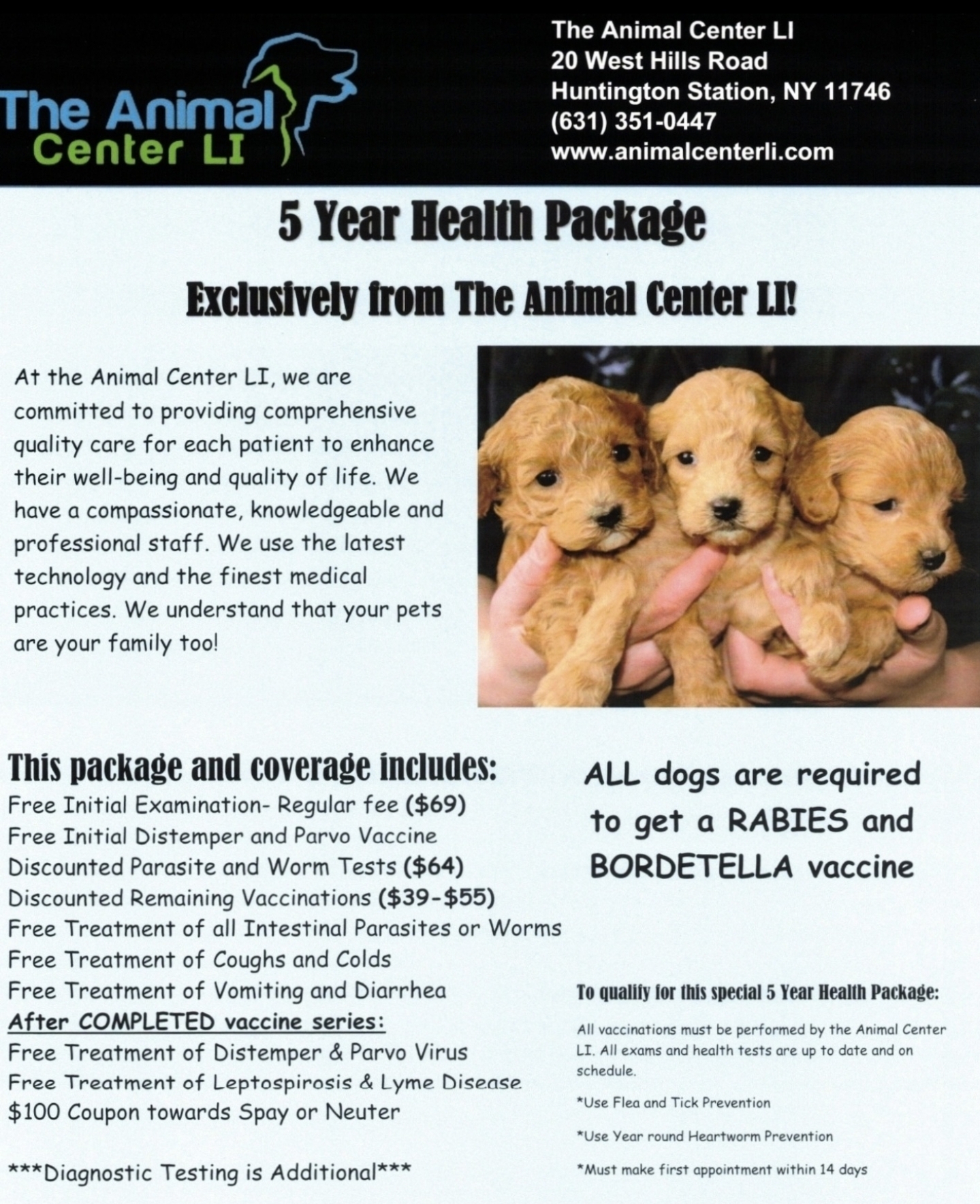
Vet-checked Bernedoodle puppies from licensed breeders, free nationwide delivery and a 5-year local vet package. Call (800) 879-1995.
Read all about the Bernedoodle ↓Bernedoodle Puppies Available Now
Want a specific breed? Search up top.
Rate the puppies you want
- Maybe
- Like
- Must Have
See Real Best Puppies Families
About the Bernedoodle
The Bernedoodle crosses the Bernese Mountain Dog with the Poodle. The deliberate cross was popularized by Sherry Rupke of SwissRidge Kennels beginning in 2003. Families are drawn to the Bernese's striking tricolor coat and gentle nature combined with the Poodle's hypoallergenic coat and longer typical lifespan. In 25 years we have seen few crosses generate the reaction a well-marked tricolor Bernedoodle does, and the temperament tends to live up to the looks.
Temperament
Bernedoodles are typically affectionate, loyal, and gentle, combining the Bernese's calm, family-devoted disposition with the Poodle's intelligence. They tend to be good with children and bond closely with their people. Some inherit the Bernese's sensitivity and can be reserved or slow to mature, responding best to patient, positive training. Smaller Bernedoodles with more Miniature or Toy Poodle influence often show higher energy than Standards.
Size and Weight
Three sizes are commonly recognized:
Tiny or Micro: 12 to 17 inches, 10 to 24 lbs, produced by crossing a Toy Poodle onto a Mini Bernedoodle. Mini: 18 to 22 inches, 25 to 49 lbs, from a Miniature Poodle and Bernese cross. Standard: 23 to 29 inches, 50 to 90 lbs, with most in the 70 to 90 lb range, from a Standard Poodle and Bernese cross.
Because the Bernese is a large breed, even Mini Bernedoodles are substantial compared with other small doodles. Size naming is not standardized across breeders, so confirm the parent dogs' weights.
Grooming
Bernedoodles have wavy to curly, hypoallergenic coats that require real commitment. Brush three to four times weekly, or daily for curly coats, and schedule professional grooming every six to eight weeks. The dense coat mats readily, and the Bernese contribution can make coats thick and heavy, so summer coat management matters for heat tolerance.
Health
Bernedoodles can inherit hip and elbow dysplasia, gastric dilatation-volvulus in deep-chested Standards, von Willebrand's disease, degenerative myelopathy, progressive retinal atrophy, and in smaller dogs patellar luxation. Recommended screening includes OFA hip and elbow evaluations, cardiac evaluation, eye exams, and DNA testing on the Bernese parent. Our Trusted Breeder Network breeders health-test parent dogs before breeding.
Exercise and Living Space
Bernedoodles have moderate energy. Standards need 30 to 60 minutes of daily activity and room to stretch out. Minis and Tinys adapt well to smaller homes. They enjoy walks, hikes, and play but are generally calmer indoors than a Labradoodle or Aussiedoodle. They are companion dogs at heart and should live inside with the family.
Lifespan
Lifespan varies sharply by size: Standards roughly 7 to 12 years, Minis roughly 12 to 15 years, and Tiny or Micro dogs up to 14 to 18 years. Smaller Bernedoodles often live considerably longer than the purebred Bernese parent.
More About Bernedoodle Puppies
Bernese Mountain Dog Poodle Mix Puppies | Tri-Color Bernedoodle Puppies for Families
Hypoallergenic Bernedoodle Puppies | Mini & Standard Bernedoodles Available
The Bernedoodle is a stunning cross between the loyal Bernese Mountain Dog and the intelligent Poodle, combining the best qualities of two beloved breeds into one extraordinary companion. Known for their striking tri-color markings, rich black, crisp white, and warm rust. Bernedoodles turn heads wherever they go. But their beauty is only the beginning. These gentle giants possess a calm, affectionate temperament that makes them one of the most sought-after family dogs in the country. With their expressive eyes and wavy, plush coats, Bernedoodles radiate warmth and charm from the moment you meet them.
Bernedoodles inherit the Poodle’s hypoallergenic coat, making them an excellent choice for families with allergy concerns. Whether you prefer a Standard Bernedoodle that can reach 70 to 90 pounds or a Miniature Bernedoodle that stays between 25 and 50 pounds, there is a size variation to fit every home and lifestyle. Their gentle giant personality shines through in everything they do, from patient play sessions with young children to calm evenings curled up on the couch.
Families love Bernedoodles because they are incredibly loyal, eager to please, and naturally gentle. They thrive in homes where they can be part of daily activities, and they get along wonderfully with other pets. Their intelligence, inherited from both parent breeds, makes them highly trainable and adaptable to various living environments, from spacious suburban homes to smaller living spaces, especially the miniature variety. Bernedoodles also tend to be robust and healthy, benefiting from hybrid vigor that often results in fewer breed-specific health concerns compared to purebred dogs. Their playful yet laid-back disposition means they are equally happy going on outdoor adventures as they are relaxing with the family at home, making them a truly versatile companion for every stage of life.
At Best Puppies, we have been a licensed puppy specialist for over 25 years, and we have helped thousands of families find their perfect Bernedoodle companion. Every Bernedoodle puppy from our program comes with our exclusive 5-Year FREE Local Vet Package, giving you peace of mind from day one. We also provide free door-to-door delivery anywhere in the United States, so your new family member arrives safely and comfortably at your doorstep. Call us today at (800) 879-1995 to learn about our available Bernedoodle puppies.
Bernedoodle puppies delivered to Long Island, NYC, New Jersey and Connecticut
Long Island
Bernedoodles love the cooler mornings on Long Island beaches, and their wavy coat only needs a quick rinse after a run through the surf. Summer mornings are a favorite time for this big, fluffy cross, which loves shady yards and early walks under the trees. South Shore homes in Nassau and roomier East End properties in Suffolk both give a Bernedoodle family space to grow. With White Glove Delivery, the Bernedoodle puppy comes straight to your front door on Long Island. Included with your Bernedoodle is a veterinary visit and health check that take place well before delivery day.
New York City
Standard Bernedoodles grow into big, gentle teddy bears, and city families love walking them to a nearby park where this cross can stretch out. That hypoallergenic coat is a real joy in cozy city spaces. A Forest Hills co op in Queens, a Williamsburg loft in Brooklyn or a family apartment in Manhattan can each suit a Bernedoodle. White Glove Delivery means your Bernedoodle puppy is brought straight to your family's front door in New York City. A doctor of veterinary medicine looks the Bernedoodle over before it leaves for the city, and that health check is included.
New Jersey
A New Jersey yard is a great match for a Bernedoodle, which enjoys lounging on the deck as much as playing in the grass with the kids. Once grown, this cross is usually calm enough to relax at home while commuters are at work. Leafy suburbs in Bergen and Essex and the growing towns of Middlesex along the turnpike are home to many doodle families. Through White Glove Delivery, your Bernedoodle arrives directly at your doorstep in New Jersey. The Bernedoodle's vet exam and health check are already done and paid for by the time it arrives.
Connecticut
With Bernese Mountain Dog roots, a Bernedoodle is made for Connecticut winters and is often happiest flopping in a snowy backyard. Larger lots in many towns give this big cross room to roam. Coastal villages in Fairfield County and the hill towns of northern New Haven County both have families who love a big, fluffy dog. White Glove Delivery means the Bernedoodle puppy is brought directly to your family's front door in Connecticut. An included vet visit and health check are completed for every Bernedoodle before it goes home with you.
Pick your area below for more.
We deliver puppies nationwide. See our nationwide puppies for sale page.
- Bernedoodle puppies on Long Island
- Bernedoodle puppies in Nassau County
- Bernedoodle puppies in Suffolk County
- Bernedoodle puppies in New York City
- Bernedoodle puppies in Queens
- Bernedoodle puppies in Brooklyn
- Bernedoodle puppies in Manhattan
- Bernedoodle puppies in New Jersey
- Bernedoodle puppies in Connecticut
- Bernedoodle puppies in Pennsylvania
- Bernedoodle puppies in Massachusetts
- Bernedoodle puppies in New Hampshire
- Bernedoodle puppies in North Carolina
- Bernedoodle puppies in Ohio
- Bernedoodle puppies in Indiana
- Bernedoodle puppies in Missouri
- Bernedoodle puppies in Nebraska
- Bernedoodle puppies in Florida
- Bernedoodle puppies in Arkansas