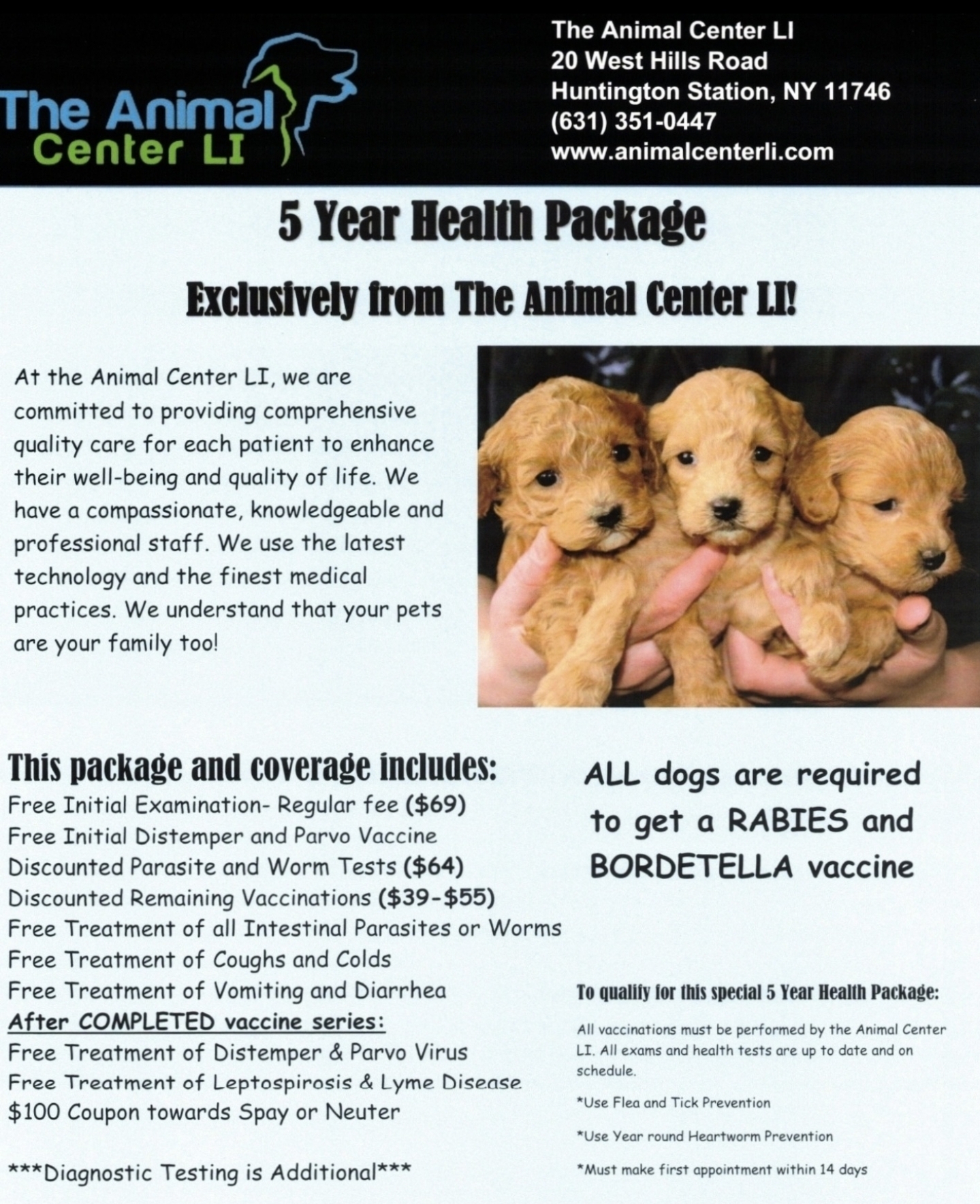
About the Labradoodle
The Labradoodle crosses the Labrador Retriever with the Poodle. The cross was popularized in the late 1980s by Wally Conron in Australia, who set out to produce a hypoallergenic guide dog for a client whose husband had allergies. Today the name covers two meaningfully different dogs: the standard Labradoodle, a direct Labrador and Poodle cross that is often first generation and more variable, and the Australian Labradoodle, a multi-generational breed developed with additional lines for greater consistency in coat and temperament. Both are excellent family dogs, and knowing which one you are looking at matters when predicting coat and size.
Temperament
Labradoodles are energetic, sociable, and highly trainable, blending the Labrador's outgoing friendliness with the Poodle's intelligence. They are typically excellent family dogs, playful, affectionate, and good with children, and they are keen to learn. The Australian Labradoodle in particular was bred for an intuitive, people-focused temperament that suits service and therapy roles. These are busy dogs that need a job, and boredom leads to mischief.
Size and Weight
Three sizes are recognized, measured by height at the withers:
Miniature: 14 to 16 inches, approximately 15 to 25 lbs. Medium: 17 to 20 inches, approximately 30 to 45 lbs. Standard: 21 to 24 inches, approximately 50 to 65 lbs.
The Poodle parent drives adult size. First generation standard Labradoodles vary more in adult size than multi-generational Australian Labradoodles, which have been bred for greater predictability.
Grooming
Coats range from wavy fleece to curly wool in Australian Labradoodles and can be more variable in first generation dogs. The hypoallergenic coat requires consistent care: brush several times weekly, and schedule professional grooming every eight to ten weeks, more often for curly coats. Matting develops around the ears, armpits, and legs without regular brushing. Ears should be cleaned and dried routinely, especially after swimming, which most Labradoodles love.
Health
Hip and elbow dysplasia are real concerns from the Labrador side. The Poodle side contributes progressive retinal atrophy, other inherited eye disorders, Addison's disease, and sebaceous adenitis. Ear infections are common in floppy-eared dogs, particularly in dogs that swim. Look for OFA hip and elbow clearances, eye exams, and genetic testing on the parent dogs. Every Labradoodle we handle comes through our Trusted Breeder Network, where parent dogs are health-tested before breeding.
Exercise and Living Space
This is an active cross. Standard Labradoodles need 60 or more minutes of daily exercise and thrive with room to move. Miniatures and Mediums need somewhat less but are still lively dogs. They excel at fetch, swimming, running, and canine sports. They adapt to varied homes provided their exercise needs are met, but a bored, under-exercised Labradoodle can be destructive.
Lifespan
Typical lifespan is 12 to 16 years, with smaller variants trending toward the upper end. Weight management, joint care, and regular veterinary monitoring for eye conditions support longevity.